This is a planning estimate, not a quote. Collection access, traffic, tolls, vehicle weight, exact condition and truck availability can change the final price.
A reliable quote includes the truck travelling to the collection point, loading the vehicle and transporting it to the agreed destination. Mileage is important, but the vehicle and loading situation can make two journeys of the same distance very different.
1. Collection and delivery distance
Both postcodes are needed. The operator considers the recovery truck route to you as well as the loaded journey, traffic and any return travel.
2. Vehicle size and weight
A hatchback, large electric SUV and loaded long-wheelbase van do not require the same capacity. The exact make, model and body type help identify suitable equipment.
3. Loading condition
A vehicle that starts or rolls freely is usually quicker to load. Locked wheels, no neutral, accident damage, missing keys or collapsed suspension may require skates or specialist handling.
4. Timing and urgency
Planned transport can be scheduled efficiently. Urgent roadside or out-of-hours work depends on the nearest suitable availability and current demand.
5. Access and additional charges
Underground car parks, narrow roads, soft ground, tolls, parking and clean-air charges can affect the final price. State these details before booking.
RECOVERY COST FAQS
Answers about pricing.
How much does car recovery cost per mile?+
Recovery is not normally priced on loaded mileage alone. Call-out distance, vehicle size, loading condition, timing and access all affect the quote.
Why does a non-runner cost more?+
A vehicle that needs winching, skates or additional loading time can require more equipment and labour than a car that drives or rolls freely.
Is motorway recovery more expensive?+
It can be, because urgent dispatch, access, traffic conditions and a safe collection location affect the job. The full price should be confirmed before dispatch.
Does the estimate include tolls and parking?+
No. The calculator is a planning estimate. Tolls, parking, clean-air charges or unusual access may be added to an exact quote.
Can I get a fixed price before booking?+
Yes. Send the complete journey and vehicle condition. TowPart confirms the agreed price and availability before the booking is completed.
THE VEHICLE DICTATES THE TRUCK
Different vehicles. One capable team.
Flatbed recovery, roadside assistance and specialist transport, arranged around your vehicle’s actual condition.
Up to 12-tonne recovery trucks500+ recovery driver network. Fully insured trucks.
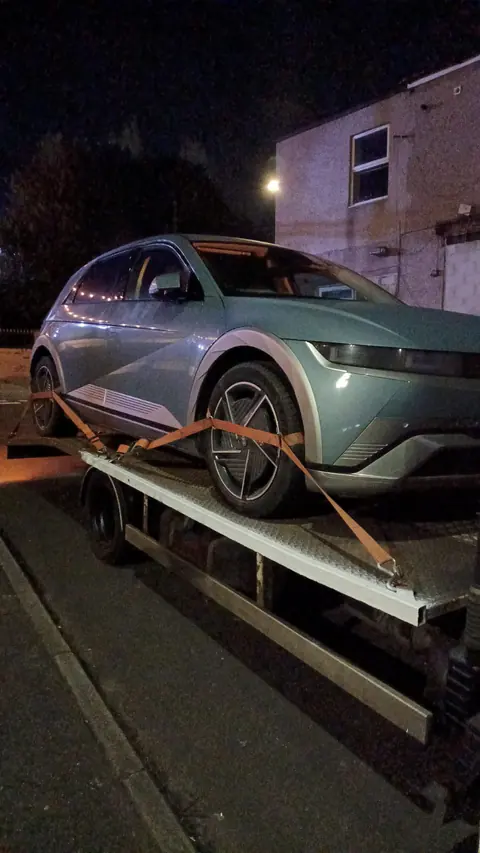
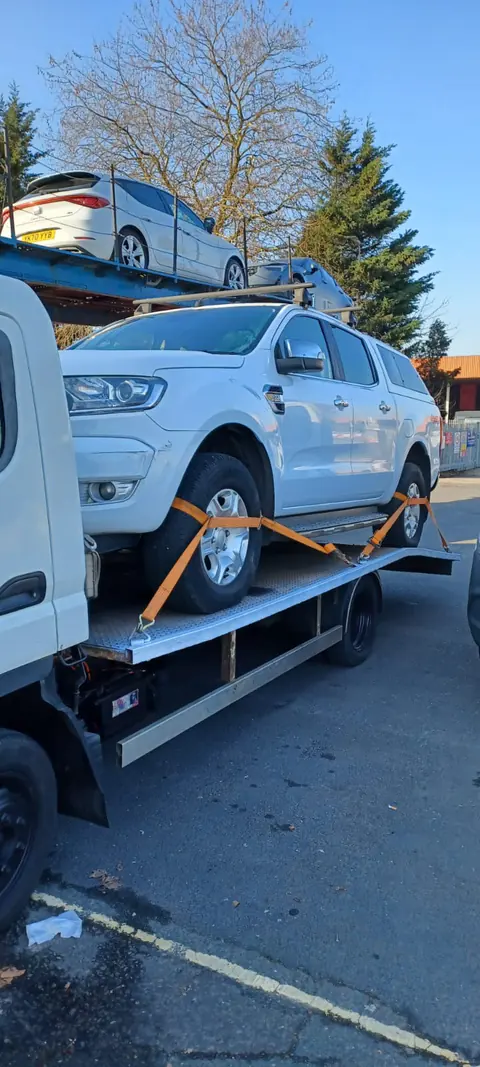
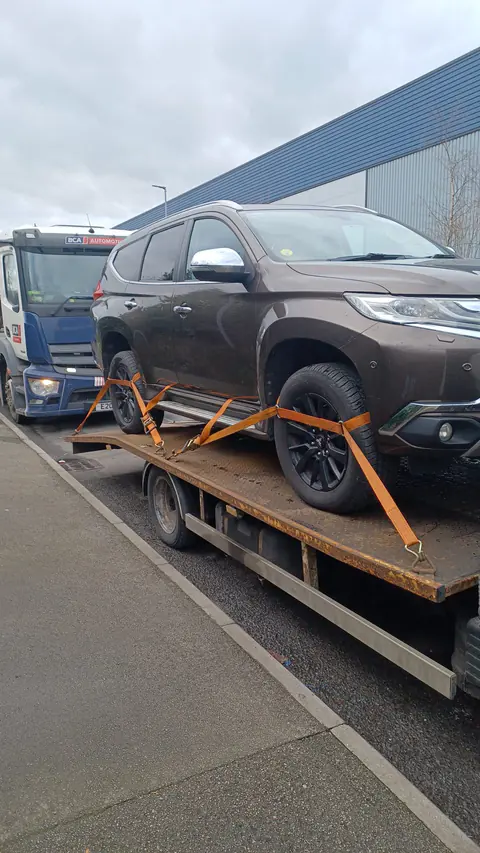
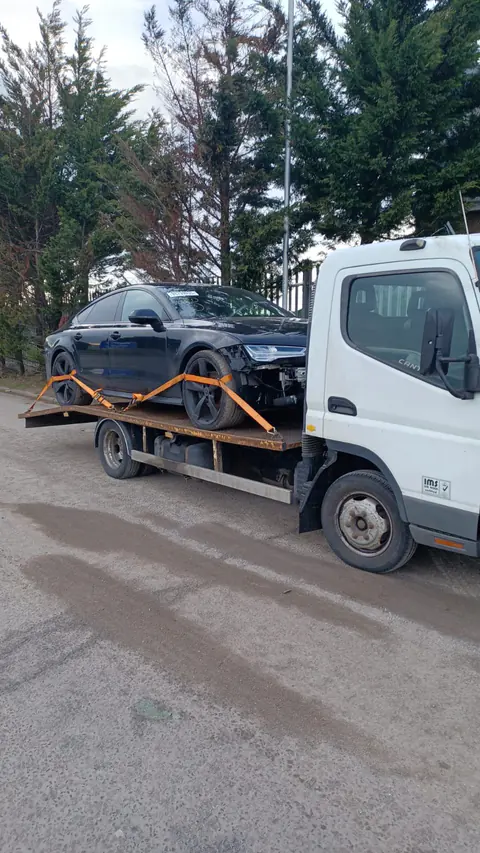
Recovery truck options up to 12 tonnes. This describes the recovery truck size; the vehicle weight, permitted carrying capacity and loading method are checked for every job.
TowPart-approved and trained drivers · No membership · Available 24/7
FIVE-STAR CUSTOMER FEEDBACK
Good service. In their own words.
A selection of five-star Google review screenshots shared by our recovery team. Open a card to read the supplied original.
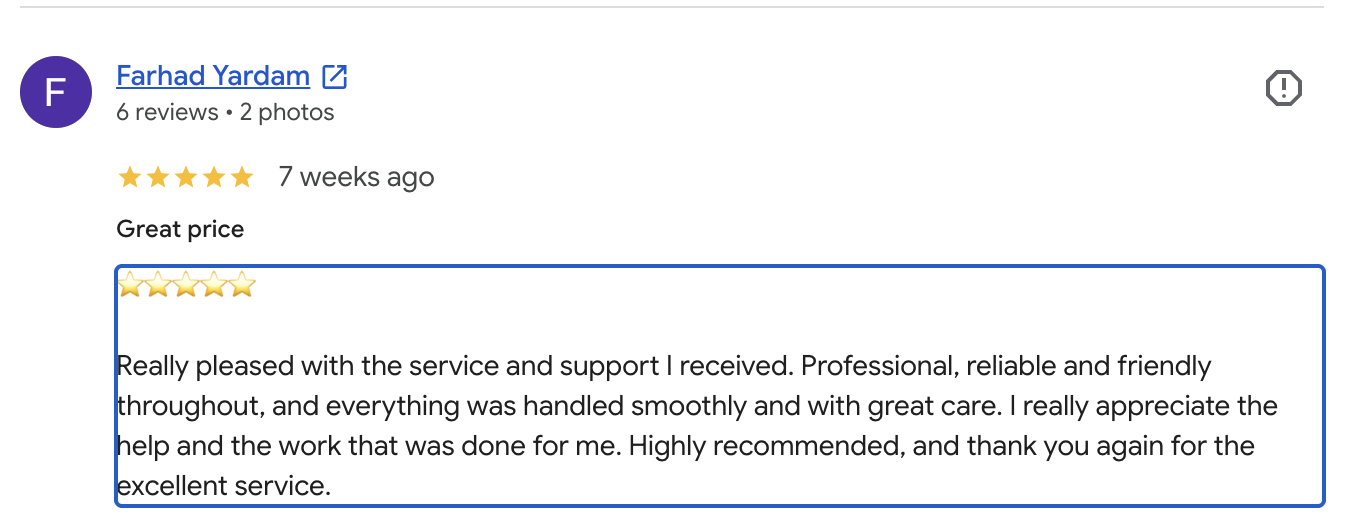
GGoogle review
Really pleased with the service and support I received. Professional, reliable and friendly throughout, and everything was handled smoothly and with great care. I really appreciate the help and the work that was done for me. Highly recommended, and thank you again for the excellent service.
Farhad YardamView original screenshot ↗
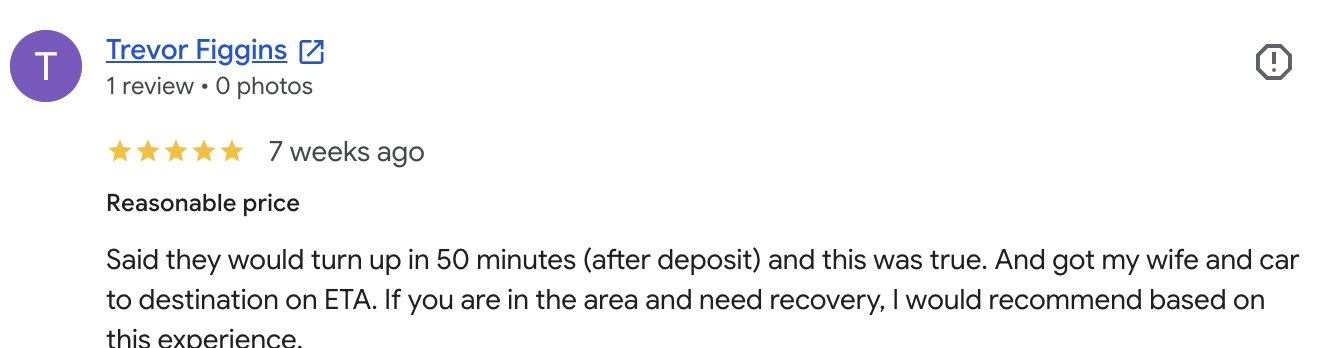
GGoogle review
Said they would turn up in 50 minutes (after deposit) and this was true. And got my wife and car to destination on ETA. If you are in the area and need recovery, I would recommend based on this experience.
Trevor FigginsView original screenshot ↗
GGoogle review
Speedy and professional service which was very helpful especially in a time of great stress and need. Would recommend.
WordsmithsView original screenshot ↗
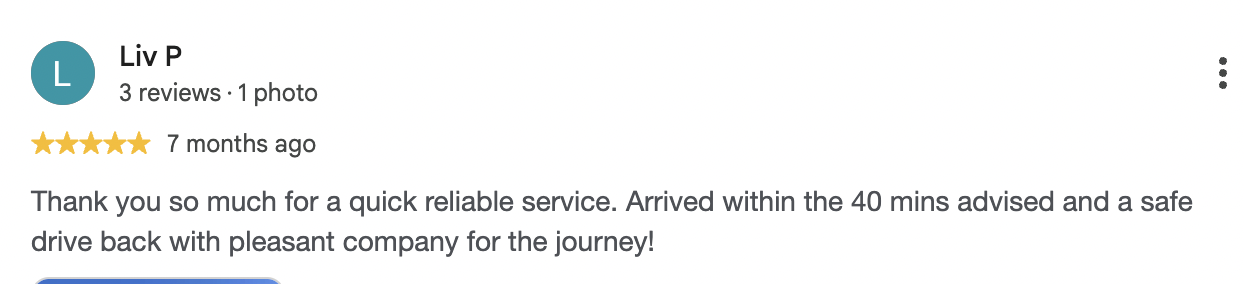
GGoogle review
Thank you so much for a quick reliable service. Arrived within the 40 mins advised and a safe drive back with pleasant company for the journey!
Liv PView original screenshot ↗
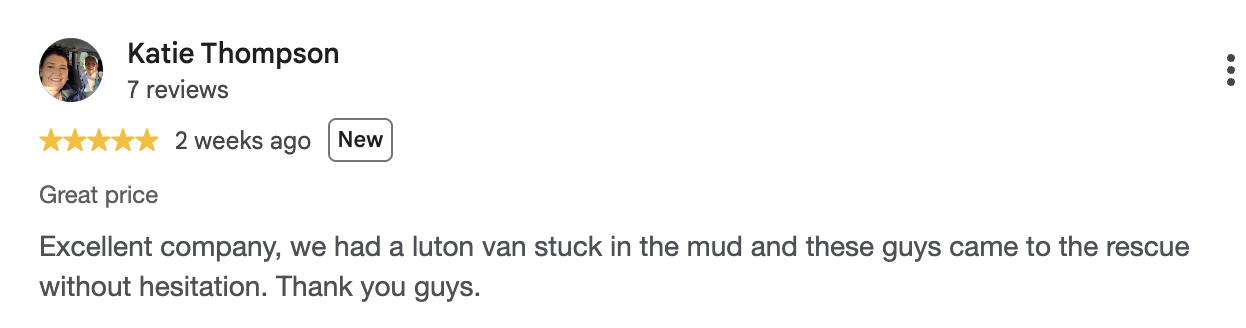
GGoogle review
Excellent company, we had a luton van stuck in the mud and these guys came to the rescue without hesitation. Thank you guys.
Katie ThompsonView original screenshot ↗
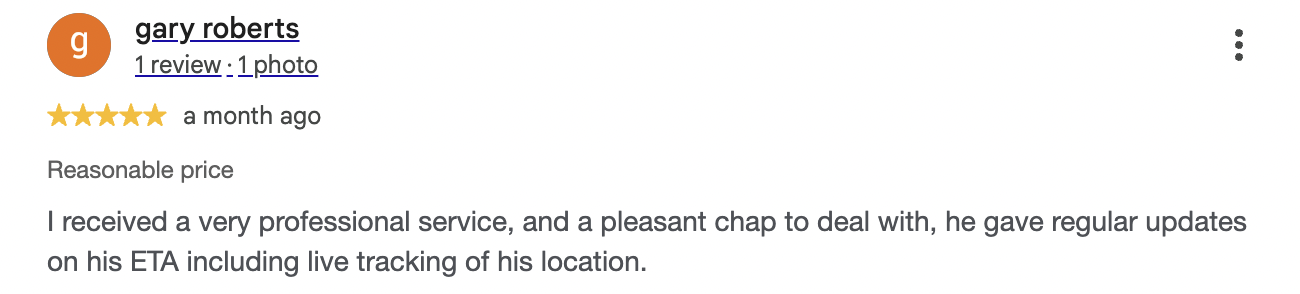
GGoogle review
I received a very professional service, and a pleasant chap to deal with, he gave regular updates on his ETA including live tracking of his location.
gary robertsView original screenshot ↗
GGoogle review
Five-star rating
Kerry RobertsView original screenshot ↗
Individual experiences and arrival times vary by location and job. These selected reviews are not an overall Google or Trustpilot score.
PRACTICAL RECOVERY KNOWLEDGE
The details behind a well-planned recovery.
Use the sections below to understand suitable equipment, prepare the collection and make an informed booking.
01
A clear recovery quote for your area
A useful car recovery quote is a plan for the complete job. The team needs to know where the vehicle is, where it must go and how it can be loaded. Start with both postcodes, the make and model, your preferred timing and a contact number. Explain the immediate problem in everyday language. A car that has stopped outside a garage may need a different approach from one with a damaged wheel in a narrow driveway. If anything is uncertain, say so rather than guessing.
TowPart’s three-minute quote guarantee applies after complete information for a standard recovery has been received. Specialist loading, collision damage, unusual access or missing information needs individual assessment. The agreed price and truck arrival estimate are separate details: a quick quote does not mean a truck arrives in three minutes. You can review the proposed journey and decide whether to book. No annual membership is needed, and submitting a request does not commit you to a recovery.
The best location description combines a postcode with the actual entrance and the position of the vehicle. Around your local area, include a street name, business name, car park level or recognisable access point. A postcode can cover several buildings and may direct a large truck to the wrong gate. If the vehicle is on private land, arrange permission to enter and explain who will meet the driver. A location pin can support the written details, particularly where there is no nearby street number.
For approaches including motorway and A-road routes, include the road, direction and nearest junction or services. A truck must approach the correct side of a divided road. Do not try to cross a carriageway to meet it. Where a pickup is on a rural lane, tell us about narrow sections, soft verges, locked gates and turning space. These details help the team choose suitable equipment and give a realistic arrival estimate for your particular collection.
Starting, rolling and loading are different questions
A vehicle can fail to start yet still be straightforward to load. It may have keys, free steering, working brakes and all four wheels able to roll. Another vehicle may start but have a broken driveshaft, a damaged wheel or suspension that makes driving unsafe. Describe each function separately: whether the engine starts, whether the vehicle moves under its own power, whether the gearbox selects neutral and whether the parking brake releases. For an automatic, tell us if electrical power is still available.
Photographs are especially helpful where wheels are bent, tyres have separated, bodywork touches the ground or a steering component is damaged. Never force a gearbox, release a brake on a slope or attempt to drag the vehicle to make collection easier. The recovery driver assesses the loading method, including whether winching, wheel skates or other suitable equipment is required. Accurate information before dispatch reduces the chance of an unsuitable truck, an interrupted collection or a revised quotation.
Choosing a flatbed or another suitable recovery truck
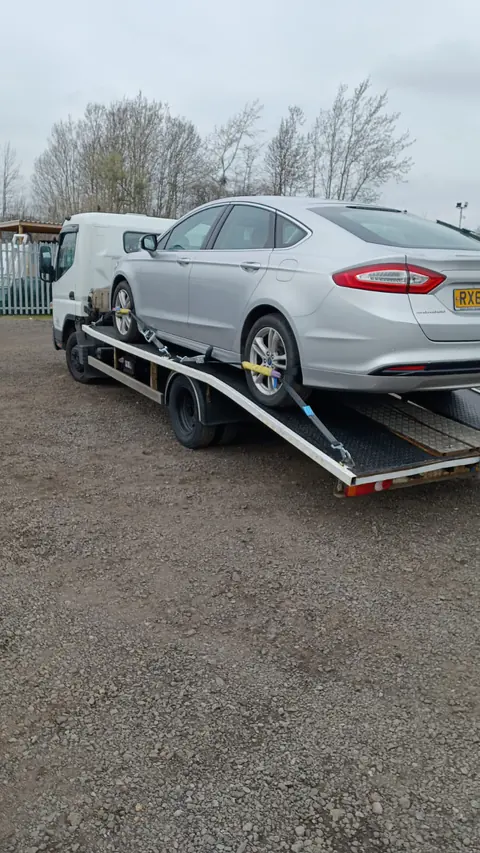
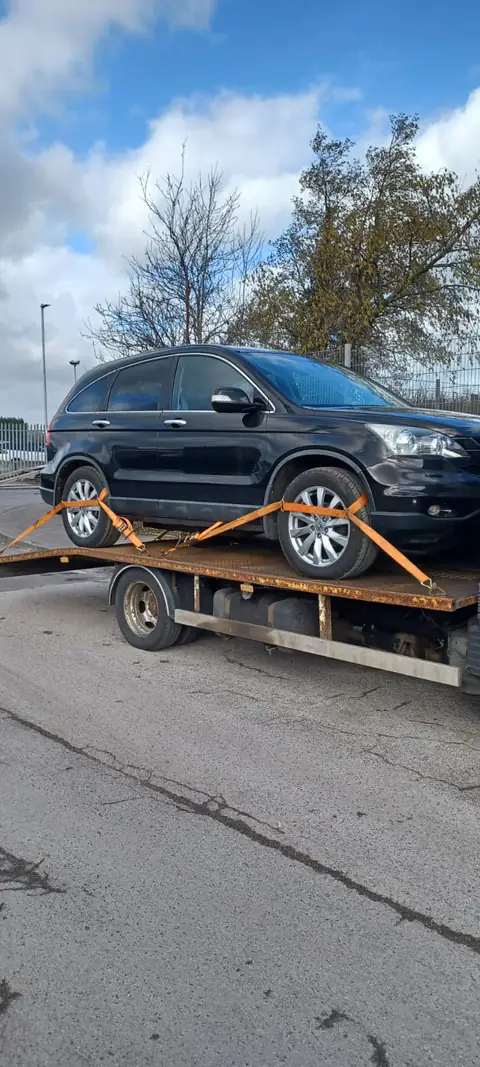
A flatbed recovery truck carries the vehicle on its load platform. This is useful for many non-running cars, electric vehicles, damaged vehicles and journeys where the recovered vehicle’s wheels should be clear of the road. Selection also depends on the vehicle’s length, width, ground clearance and weight. Tell us about modifications, a lowered body, a long front overhang or additional equipment. A photograph from the side helps explain clearance and access more accurately than a short description alone.
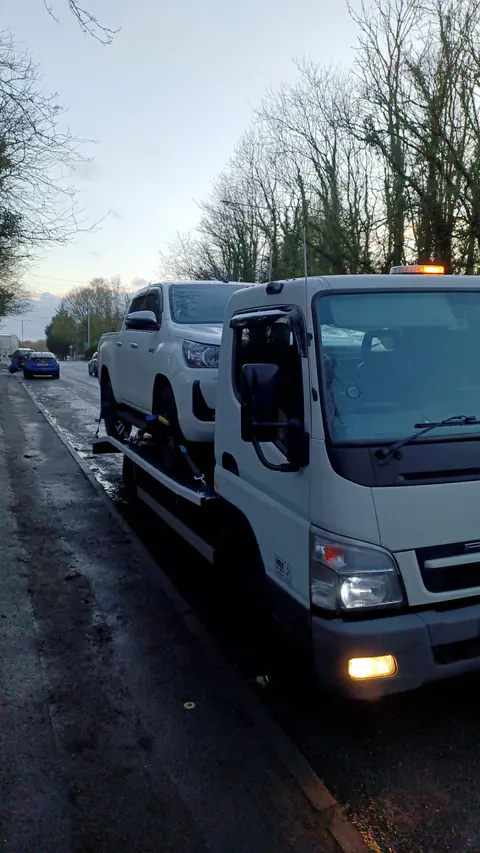
TowPart can arrange different tow truck and recovery options, including recovery trucks up to 12 tonnes. Truck size is not the same as the weight it can carry: suitable payload, axle limits, bed dimensions and loading equipment must be checked for the actual vehicle. A large electric SUV and a loaded van can need different equipment from a small hatchback. Share the registration and any known weight or load information so the team can assess suitability before confirming the booking.
Personal safety comes before completing an online form. If a vehicle develops a problem on a motorway, follow official instructions and reach a place of relative safety where possible. If you cannot safely leave a vehicle stopped in a live lane, keep seatbelts fastened, turn on the hazard lights and call 999. Follow police or highways instructions. The recovery enquiry can wait until the immediate risk has been dealt with; do not stand in traffic to take photographs or inspect damage.
When it is safe to arrange help, send the direction of travel, nearby junction, services, marker post or emergency area identifier. Explain whether a road authority is already managing the incident and whether the vehicle has been moved to a safer location. Give the destination postcode and the number of people who need onward arrangements. Keep your phone available for updates. A private recovery booking does not replace emergency assistance or permission required to leave an emergency area.
Jump starts and flat battery assistance in your area
A clicking ignition, dim dashboard or vehicle left unused can suggest a low-voltage battery problem, but a jump start is not the right answer to every non-start. Tell us whether the engine cranks, whether the dashboard powers on and which warnings are displayed. Include the make, model, fuel type and whether the bonnet can be opened. If the battery is damaged, leaking, unusually hot or giving off a strong smell, stop attempts to start the vehicle and explain the symptoms to the team.
A TowPart-approved technician checks suitable battery assistance against the vehicle’s requirements. Some vehicles have specific connection points or electronic systems that need particular care. A hybrid or electric car can have a low-voltage supply fault even when its main battery has charge. If starting assistance is unsuitable or does not resolve the fault, discuss onward recovery to a garage. Any different service and its price should be agreed before work proceeds; do not assume a boost can repair a mechanical or charging-system problem.
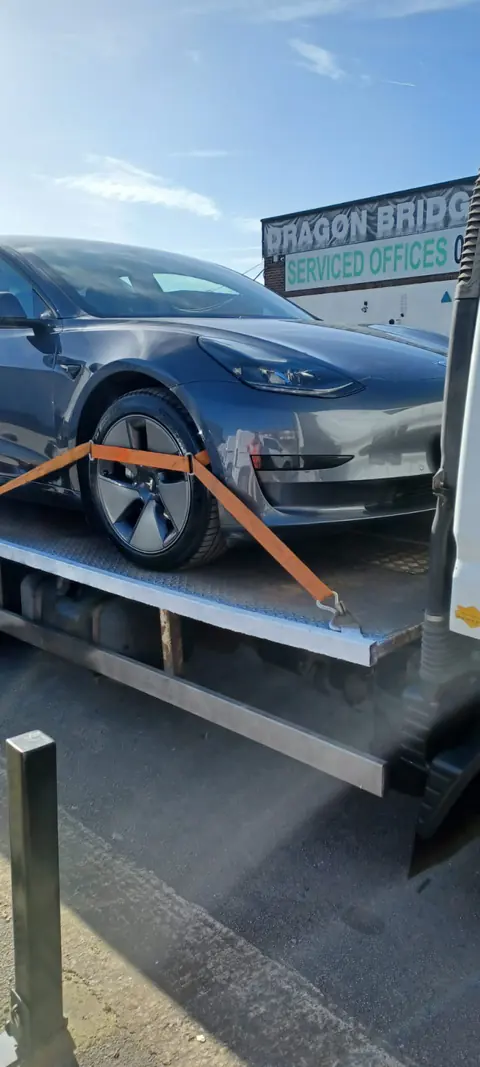
For Tesla recovery and other electric vehicle transport, give the exact model, registration and reason it needs moving. Explain the state of charge where known, whether low-voltage power is available, whether a recognised key is present and whether the car can enter its manufacturer’s transport mode. A depleted traction battery is different from a low-voltage fault. A damaged electric vehicle may also need specialist assessment before handling. Never touch exposed high-voltage components or try an improvised towing method.
The recovery method follows the manufacturer’s instructions for the particular model and year. Tesla’s Model 3 transporter guidance specifies keeping all four tyres off the ground and recommends a flatbed. Its Tow Mode is for limited loading or repositioning, rather than general towing on the road. Other electric vehicles have their own requirements. Tell the team about a locked charge cable, inaccessible controls, collision damage or wheels that will not turn so appropriate loading equipment can be planned in advance.
A van recovery quote needs more than the badge on the front. The wheelbase, roof height, body type and load influence the equipment required. State whether it is short, medium or long wheelbase, a high-roof panel van, a Luton or a vehicle with a tail lift. Tell us whether it is empty or carrying tools, stock, equipment or a conversion. A side photograph and the registration help the team assess dimensions and suitable recovery capacity.
For a business vehicle, confirm where it should be delivered and whether the receiving depot or workshop will be open. Arrange access to keys and tell us about any load that may need separate handling. Do not remove heavy goods at an unsafe roadside location simply to make a van lighter. If a commercial vehicle has damaged running gear, locked wheels or a box body close to the ground, share clear photographs. The loading plan and quotation should reflect the van as it actually stands.
Motorcycles need appropriate support and securing during transport. Provide the make, model, approximate size, steering-lock status and whether the bike rolls. Explain damage to wheels, forks, handlebars, bodywork or stands, and say whether it has been dropped or involved in a collision. A road bike, scooter, touring motorcycle and modified machine can present different loading requirements. Photographs help the team choose suitable equipment instead of treating every two-wheel vehicle as the same job.
Confirm the collection surface and the space available beside the bike. A narrow alley, steep ramp or underground parking area may need a different approach from an open driveway. Tell us whether keys are available and whether someone can authorise collection at both ends. The driver determines the suitable loading and securing method. Do not rely on the side stand alone as a transport arrangement, and do not attempt to ride a damaged motorcycle merely to reach a more convenient pickup point.
After a collision, first deal with injuries, immediate danger and any instructions from emergency services. Once it is appropriate to arrange transport, tell us whether police, highways officers, an insurer or a repairer is involved. Explain whether the vehicle has been released for collection. Describe damage to wheels, suspension, steering and bodywork, including parts that are loose or touching the ground. The fact that an engine still starts does not establish that the vehicle is safe to drive or simple to load.
Choose the onward destination before booking wherever possible: a bodyshop, repair garage, home address or another authorised site. Confirm opening hours and ask the receiving business whether it can accept the vehicle in its present condition. Give the recovery team photographs taken only from a safe place. Insurance-related recovery does not automatically mean an insurer will reimburse a private booking, so establish any required authorisation directly. TowPart confirms the collection plan and price with you before dispatch.
Auction collection and delivery without avoidable delays
For an auction vehicle collection, send the exact auction company and branch, lot reference, make and model, collection deadline and delivery postcode. Collections may involve Copart, BCA, SYNETIQ, IAA, Manheim, Aston Barclay, John Pye or another auction business. Branch processes differ, so confirm that payment has cleared and the vehicle is available for release. Provide the relevant buyer details, release instruction or collection slot through the agreed booking process. Do not assume every branch uses the same procedure.
Auction descriptions such as runner, non-runner or salvage category do not explain the complete loading condition. Share the listing photographs and confirm keys, rolling, steering, neutral, handbrake release and wheel damage where known. Ask the branch about loading assistance if its process requires it. At delivery, make sure the receiving person has space for unloading and is expecting a potentially damaged vehicle. Planning these details helps avoid an unsuccessful visit or a missed collection window.
A stuck vehicle needs an assessment of the ground and pulling approach before a truck is sent. Supply photographs showing the whole vehicle, where the wheels sit, the surrounding terrain and the nearest firm access. Explain whether it is in mud, wet grass, a verge, a field or a ditch. Include any slope, fence, water, buried obstacle or restriction on access. A useful photograph shows the space around the vehicle as well as the vehicle itself.
Do not keep accelerating if the vehicle is sinking or moving towards an edge. The team decides whether the recovery truck can reach a safe position and whether suitable equipment is available. Landowner permission may be needed on private land. Tell us if you only need a pull-out to firm ground or if the vehicle also requires transport to a garage. If there is damage, explain it before the job is priced; pulling a vehicle free does not establish that it is safe to drive afterwards.
Local collections and long-distance vehicle transport
A short collection within your area and a journey to another part of the UK both need an agreed destination. Give both postcodes at the start rather than asking for a price to move a vehicle an unspecified distance. For longer journeys, confirm the preferred date, any deadline and who will hand over keys at collection. If the vehicle is being bought or sold, establish that the person releasing it has authority and knows when collection is expected.
The receiving site must be able to accept and unload the vehicle. A garage closing before the planned arrival, a locked gate or an occupied driveway can change the delivery arrangements. Provide a contact number and explain where the vehicle should be left. Tell us if a non-runner will need pushing, winching or particular positioning after unloading. A full collection-to-delivery plan makes the quotation clearer and helps the driver complete the agreed journey without avoidable uncertainty.